

I’ve spent years watching birds across African grasslands, and I know how confusing identification can be when you’re just starting out.
This guide will help you recognize 13 birds in the savanna with confidence. You’ll learn their key features, behaviors, and where to find them.
I’ve gathered trusted information from field research and expert sources to make this practical and accurate.
The guide covers everything from the towering Ostrich to the colorful Lilac-Breasted Roller. You’ll get identification tips, habitat details, and behavior clues for each species.
I’ll also share the best spots for birdwatching and tools that make field identification easier.
Quick Identification Guide to Savanna Birds
Learn how to identify savanna birds using visual traits, behavior patterns, and preferred habitat zones. Start with size and body shape.
An Ostrich stands over 7 feet tall while a Quelea fits in your palm. The beak reveals feeding habits. Curved beaks tear meat.
Thick beaks crush seeds. Look for unique markings like crests and facial colors.
Watch how birds move. Eagles soar in circles. Secretary Birds walk while hunting. Queleas travel in thousands while eagles hunt alone.
Open grasslands host the biggest birds. Acacia woodlands attract colorful perching birds. Wetlands concentrate water birds like storks and cranes.
13 Birds in the Savanna
This section profiles each species with identification features, typical behavior, habitat preferences, and conservation status.
1. Ostrich
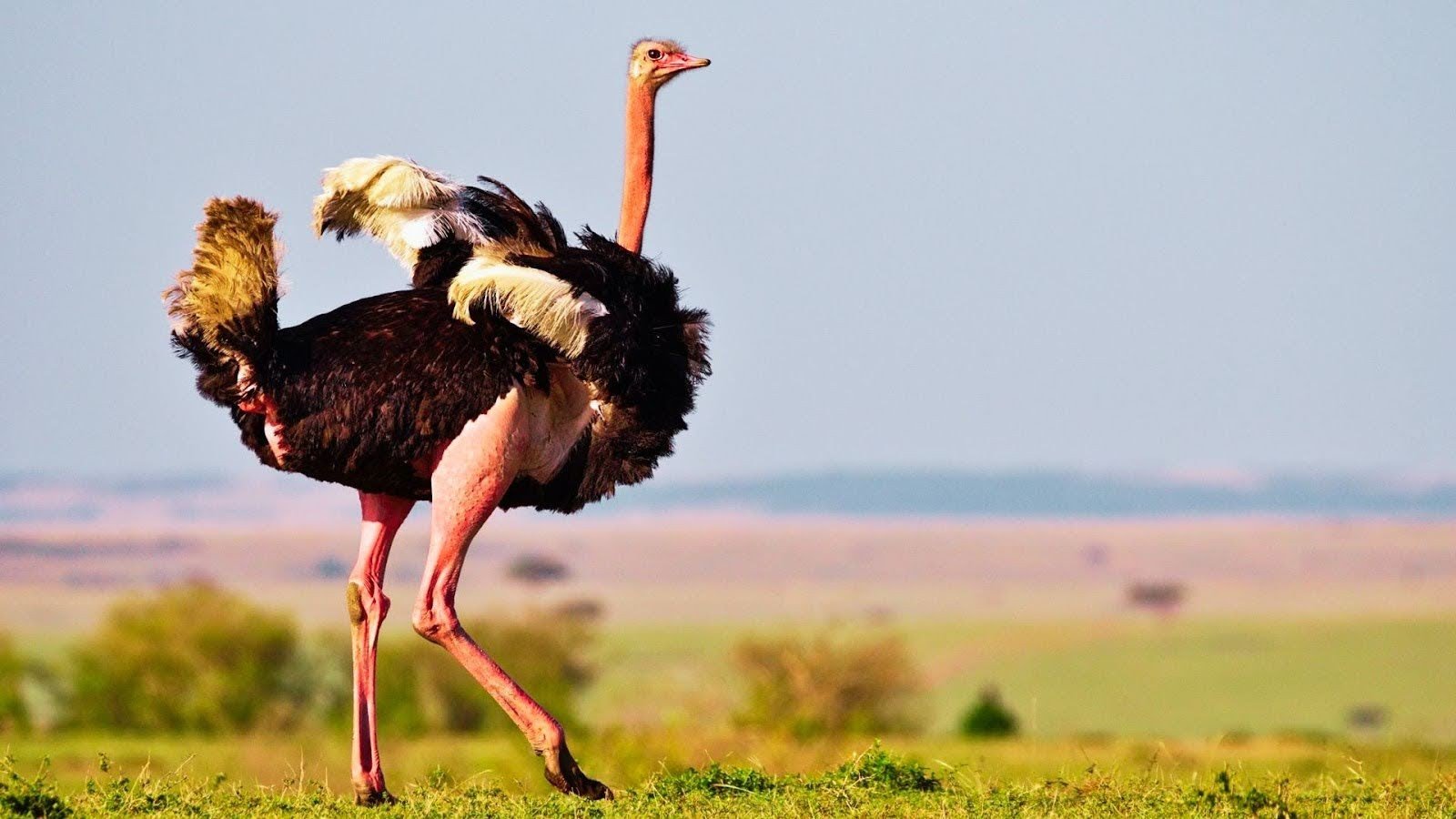
The Ostrich is the world’s largest living bird. Males have black feathers with white wing tips. Females wear brownish-gray plumage.
They can’t fly but run up to 45 miles per hour. Those powerful legs also deliver dangerous kicks to predators. You’ll find them in wide open grasslands where they travel in small groups.
2. Secretary Bird
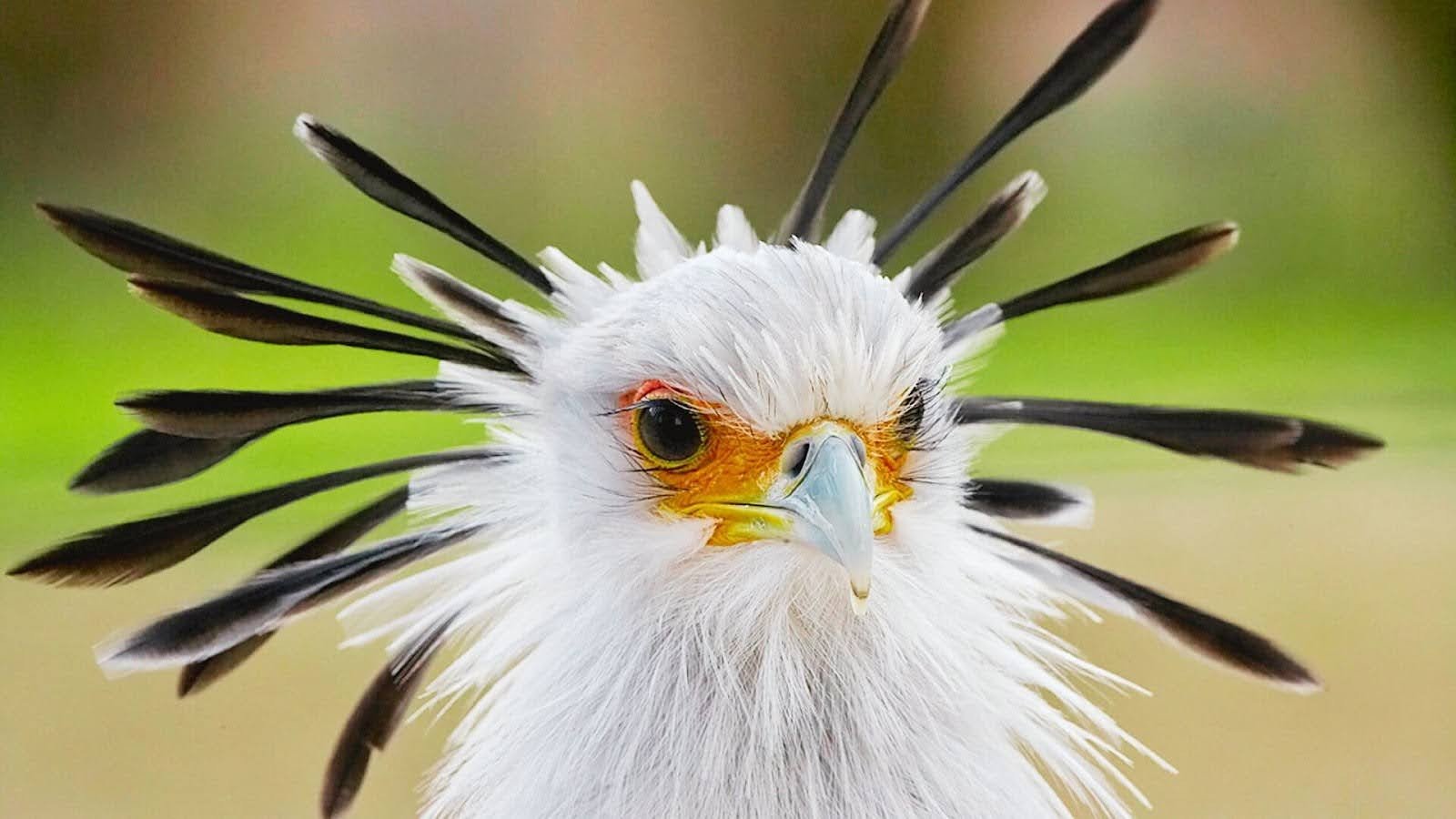
The Secretary Bird stands over 4 feet tall with black crest feathers. Long legs help it stomp on snakes and lizards.
The body is mostly gray with black flight feathers. Look for them in short-grass areas. They walk miles each day hunting on foot rather than soaring.
3. Grey Crowned Crane

The Grey Crowned Crane has a golden spray of feathers on top of its head. The body is mostly gray with white wings. These cranes are famous dancers.
They jump, bow, and flap during courtship displays. Find them near wetlands within savanna regions.
4. Marabou Stork

The Marabou Stork has a bald, pink head and massive bill. These huge birds stand 5 feet tall with wingspans over 10 feet.
They’re scavengers that eat carrion. You’ll often see them at animal kills with vultures near waterholes and rivers.
5. Helmeted Guineafowl

The Helmeted Guineafowl has white spots all over its dark body. A bony casque sits on top of the blue head.
They run in flocks across the ground. Shrubby areas near water are preferred habitats. You’ll hear their loud, harsh cackling sounds before you see them.
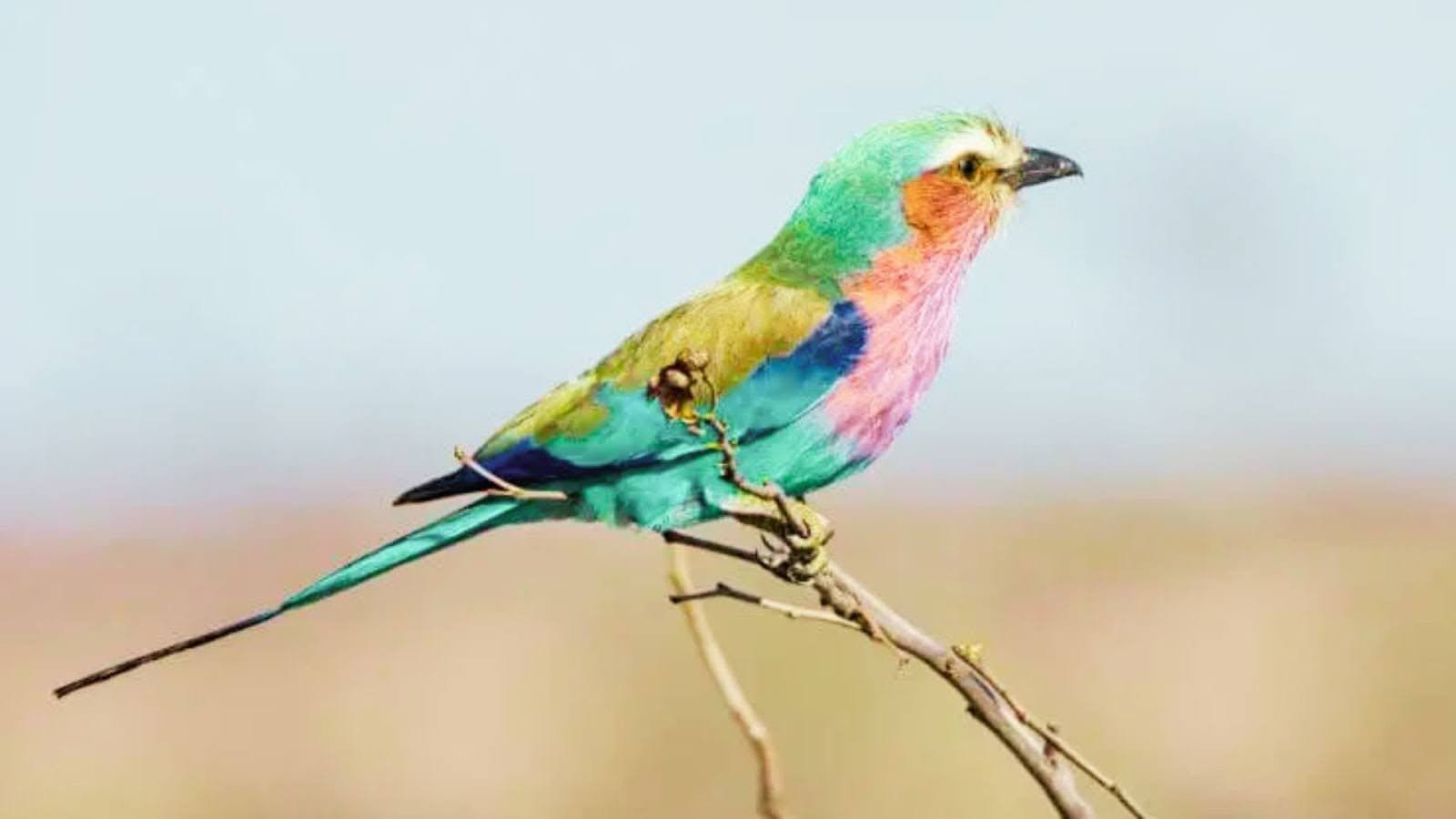
6. Lilac-Breasted Roller

The Lilac-Breasted Roller is one of Africa’s most colorful birds. The breast is bright lilac-pink. Wings flash turquoise and blue in flight.
They perch on exposed branches and drop down to catch grasshoppers and beetles. Males perform rolling aerial displays during breeding season.
7. Superb Starling
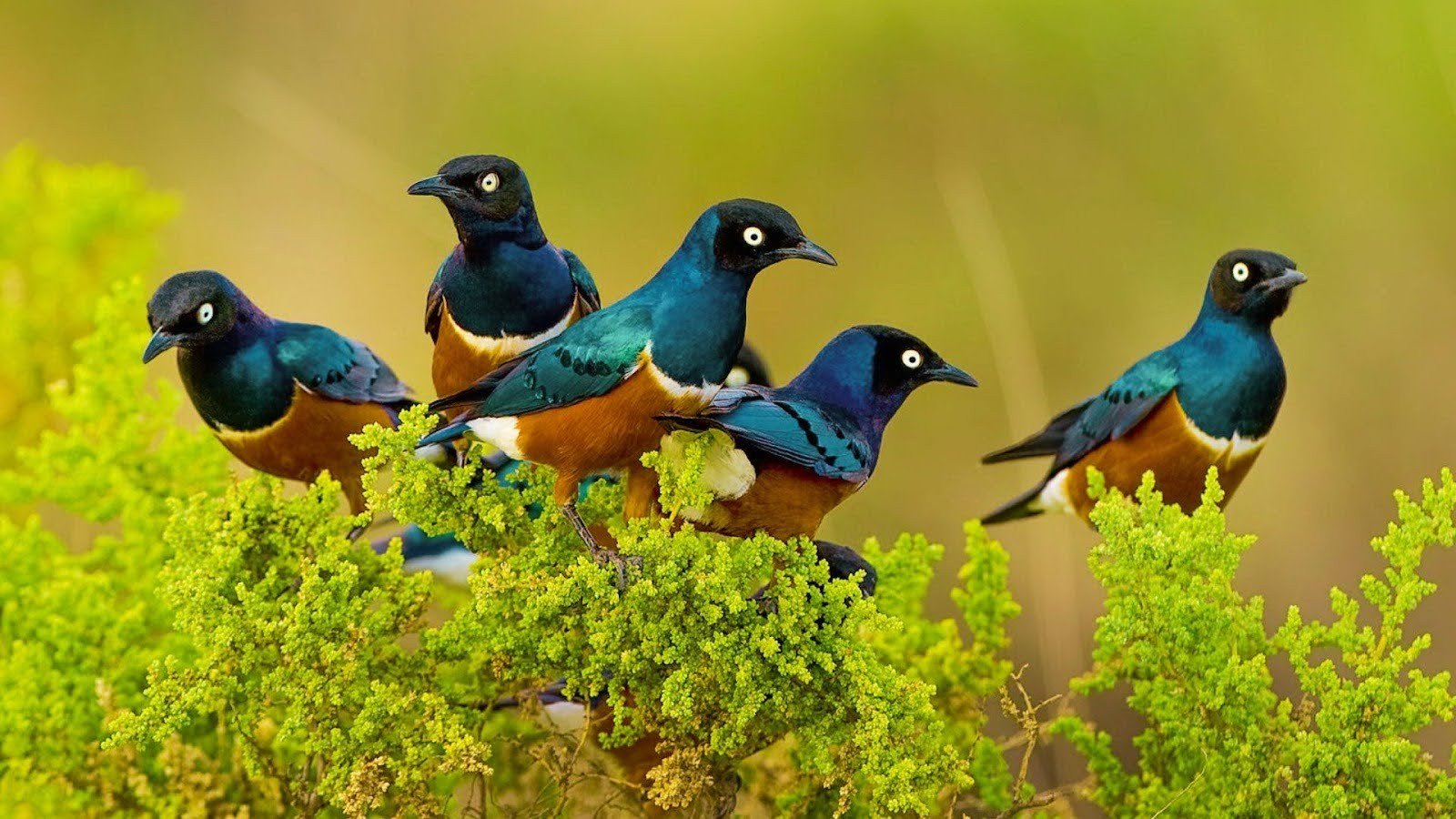
The Superb Starling has metallic blue-green upperparts and bright rust-orange breast. A white band separates the colors.
These small birds form noisy flocks. They hop on the ground searching for insects. An open savanna with scattered bushes suits them well.
8. Southern Ground Hornbill

The Southern Ground Hornbill is a massive black bird. Males have bright red facial skin. They walk slowly through grasslands hunting insects, snakes, frogs, and small mammals.
Groups of up to eight birds defend large territories. This species is endangered due to habitat loss.
9. African Fish Eagle

The African Fish Eagle has a white head and chest with chestnut brown body. The call is one of Africa’s most recognizable sounds.
They perch in trees near water. When they spot fish, they swoop down and grab it with their talons. Pairs stay together year-round.
10. Tawny Eagle

The Tawny Eagle is a robust raptor with brown plumage. They soar on broad wings in a shallow V-shape. These eagles eat carrion, small mammals, and birds.
Open grasslands and dry plains are prime habitats. They’re often seen perched on the ground or low posts.
11. Red-Billed Quelea
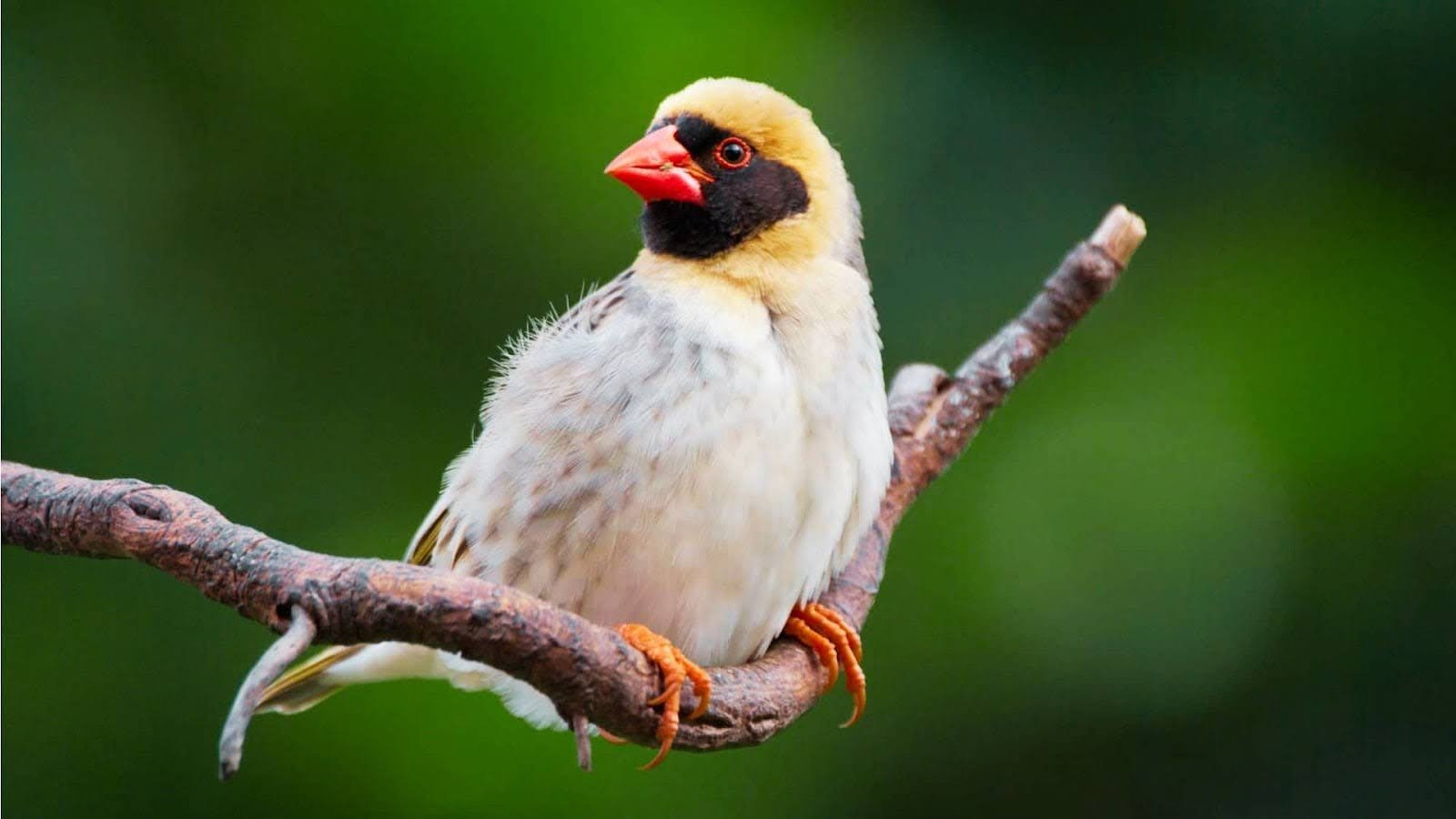
The Red-Billed Quelea is the most abundant wild bird on Earth. Billions live across Africa. Breeding males have red bills and black face masks.
They form massive flocks that look like clouds of smoke. Farmlands and savanna plains with grass seeds attract them.
12. Kori Bustard

The Kori Bustard is the heaviest flying bird. Males can weigh over 40 pounds. The body is gray-brown with fine black and white markings.
They walk slowly through grass looking for insects and lizards. Mating displays are spectacular as males inflate their throat pouches.
13. Saddle-Billed Stork

The Saddle-Billed Stork has a huge red bill with a black band and yellow saddle-shaped marking. The body is black and white with long red legs.
They’re solitary hunters that walk through shallow water stabbing at fish and frogs. Males have dark eyes while females have yellow eyes.
How to Identify Savanna Birds in the Field
Use timing, proper equipment, and safety awareness to make your birdwatching experiences more successful and enjoyable.
Early morning and late afternoon offer the best activity. The wet season sees peak abundance. Dry season concentrates birds at water sources.
Binoculars are essential. Choose 8×42 or 10×42 models. Field guides and mobile bird apps help with identification.
Cameras with 300mm lenses capture good photos. Keep distance from large birds. Ostriches can kill with a single kick.
Stay aware of predators like lions. Never watch birds on foot without a guide. Stay in your vehicle and watch where you walk.
Where to Spot These Birds in Africa
Visit protected areas during optimal seasons to see the greatest variety and number of savanna bird species.
Serengeti National Park in Tanzania hosts over 500 bird species. Maasai Mara in Kenya supports fish eagles and storks along the Mara River.
Kruger National Park in South Africa offers excellent infrastructure. Okavango Delta in Botswana is a wetland paradise for wading birds.
The wet season runs from November to April. Migratory birds arrive and local birds breed.
The dry season runs from May to October. Birds concentrate around waterholes, making viewing easier.
Conclusion
I still remember my first time seeing a Secretary Bird hunt. That moment sparked a lifelong fascination with savanna birds.
Now you have the tools to identify these 13 species with confidence. Start with the most common birds and build your skills gradually.
Each sighting will sharpen your eye for detail. Conservation depends on people like you who care enough to learn.
Get outside and start watching. Share your best sightings in the comments below. I’d love to hear which bird you spot first!
Frequently Asked Questions
What is the easiest bird to identify in the savanna?
The Ostrich is the easiest to identify. Its massive size and inability to fly make it unmistakable. You’ll spot it from great distances in open grasslands.
When is the best time to see savanna birds?
Early morning and late afternoon are best. Birds are most active during these cooler hours. Many species rest in shade during the hot midday.
Can you see all 13 birds in one park?
Most large parks have 10 or more of these species. Serengeti and Kruger offer the best chances. Habitat variety within a park increases your success rate.
Do I need a guide for savanna birdwatching?
A guide helps with safety and identification. They know where birds gather and can spot species quickly. Guides are required in most parks for walking safaris.
Are savanna birds dangerous to humans?
Large birds like Ostriches can be dangerous if threatened. Secretary Birds have powerful kicks. Always maintain safe distances and stay in vehicles when required.
