

Planning your next trip to Europe? You’re in the right place. This guide covers 41 European countries to visit, each with unique attractions and experiences waiting for you.
I’ve spent years traveling across Europe, from busy cities to quiet villages, and I want to help you plan your perfect trip.
You’ll find practical tips on choosing destinations, suggested routes, and honest advice based on real travel experience.
This article shows you what each country offers, how to pick the right spots for your interests, and ways to save time and money.
Europe has something for everyone. Let’s find what works for you.
How to Choose the Best European Countries for Your Trip
Picking the right European destinations starts with knowing what you want from your travels.
Think about what excites you most. History lovers should try Italy, Greece, and France. Mountain fans will enjoy Norway, Switzerland, and Austria.
Food enthusiasts need Spain, Italy, and Portugal. Beach seekers fit best in Greece, Croatia, and Portugal.
Your trip length shapes your options. Pick one or two countries for a week. Three to four countries work for two weeks. Don’t overpack your schedule.
Budget airlines offer cheap flights. Trains connect major cities. Most countries use the Euro. Many visitors get 90 days visa free in the Schengen Area.
Top European Countries to Visit: 41 Recommendations
This section covers 41 countries across Europe, organized by region, with highlights that make each destination worth visiting.
Western Europe

- France: Brings you iconic Paris landmarks like the Eiffel Tower and Louvre. Beyond the capital, explore Bordeaux wine regions and relax on French Riviera beaches. The food scene here sets standards worldwide.
- Germany: Mixes history with modern culture. Berlin shows you Cold War sites and contemporary art. Munich hosts Oktoberfest and traditional beer gardens. Drive the Romantic Road through medieval towns.
- Switzerland: Offers Alpine scenery that looks like postcards. Take scenic train rides through mountains. Visit clear lakes surrounded by peaks. Skiing and hiking opportunities are everywhere.
- Austria: Combines classical music heritage with mountain beauty. Vienna has opera houses and palaces. Salzburg was Mozart’s birthplace. The Alps provide skiing and mountain villages.
- Belgium: Packs variety into a small space. Brussels has European Union buildings and great restaurants. Bruges features canals and medieval architecture. Try Belgian chocolate and waffles everywhere.
- The Netherlands: Is famous for Amsterdam’s canal system and cycling culture. Spring brings tulip fields in full bloom. The country feels relaxed and easy to visit.
- Luxembourg: Surprises visitors with castles and old town charm. This tiny nation offers scenic valleys and hiking trails. It’s often overlooked but worth a stop.
Southern Europe

- Italy: Gives you ancient Rome, romantic Venice, Renaissance Florence, and the dramatic Amalfi Coast. Every region has distinct food, wine, and character. You could spend months here and not see it all.
- Spain: Blends Barcelona’s unique architecture with Madrid’s art museums. Andalusia in the south has Moorish palaces and flamenco. Tapas culture means eating well comes easy.
- Portugal: Offers Lisbon’s hills and streetcars, Porto’s port wine cellars, and Algarve’s beach resorts. Fado music fills restaurant nights. Costs stay lower than most Western European spots.
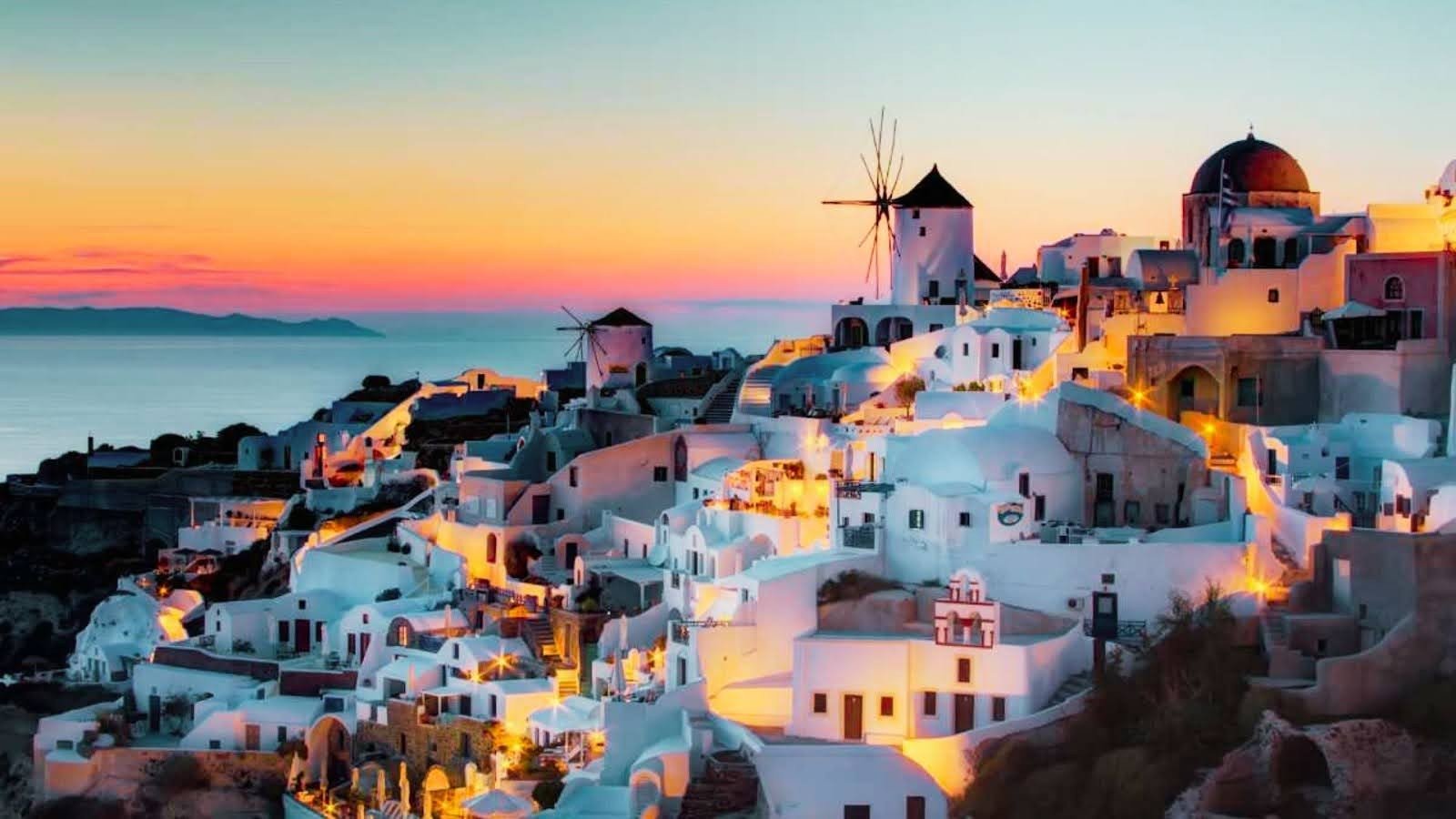
- Greece: Combines Athens’ ancient sites with Santorini’s famous sunsets. Islands dot the Aegean Sea. Crete and other islands have beaches and local food. Greek hospitality makes you feel welcome.
- Croatia: Became popular for good reasons. Dubrovnik’s old town sits by the sea. Split has a Roman palace in its center. Plitvice Lakes National Park shows off turquoise waterfalls.
- Slovenia: Stays under the radar despite beautiful Lake Bled and Ljubljana’s charming capital. Triglav National Park offers hiking and natural beauty. The country bridges Central and Southern Europe.
- Malta: Packs history into small islands. Valletta has fortifications and baroque buildings. The Blue Lagoon offers swimming in clear water. English is widely spoken here.
Northern Europe
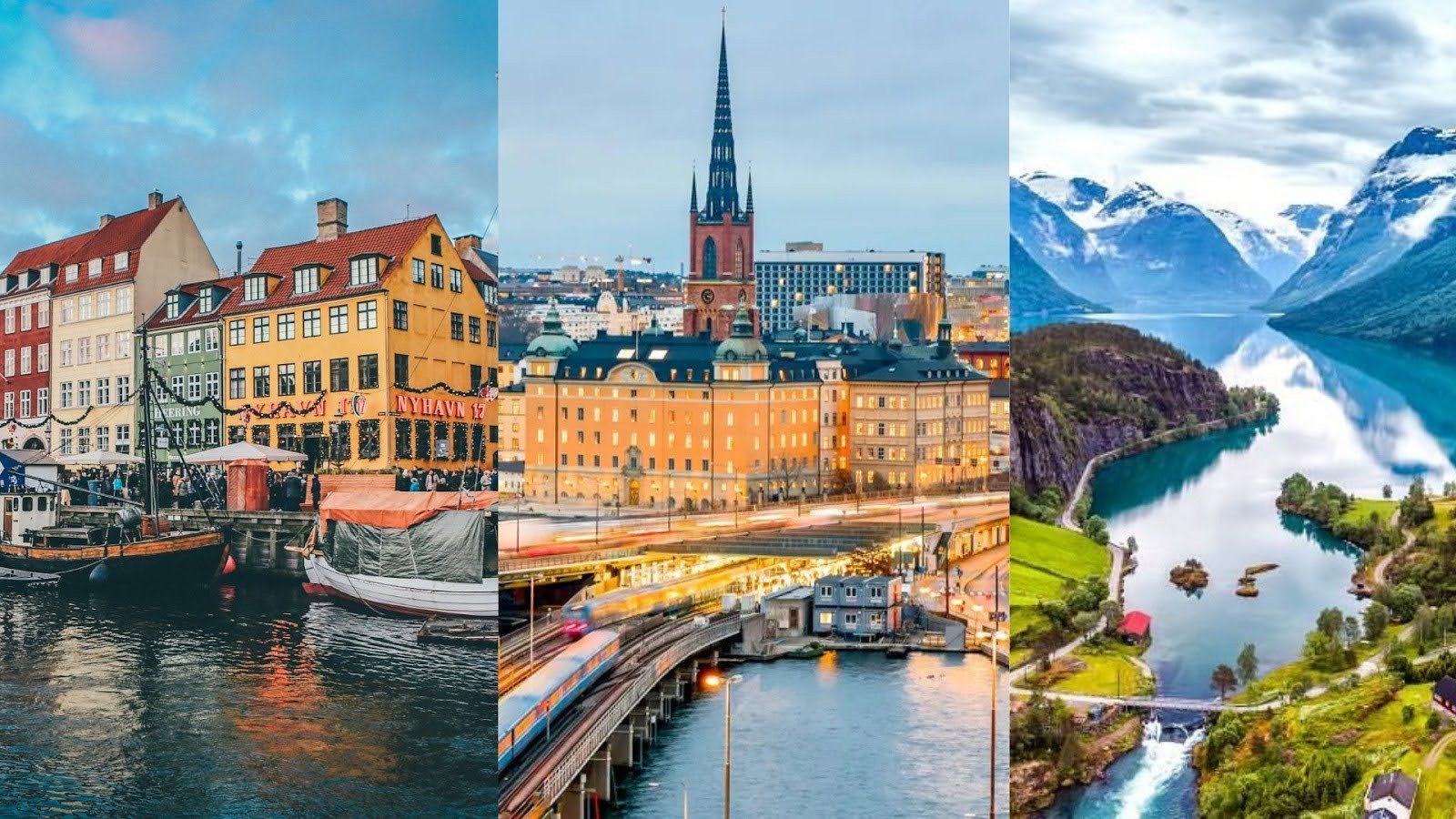
- Denmark: Brings you Copenhagen’s design scene and bicycle culture. Aarhus has museums and coastal charm. The Danish concept of hygge means cozy living. It’s expensive but worth it.
- Sweden: Combines Stockholm’s island setting with Gothenburg’s food scene. Head north to see the Northern Lights in winter. Swedish design and nature access define the experience.
- Norway: Stuns visitors with deep fjords and mountain landscapes. Oslo has museums and Viking history. Tromsø in the Arctic Circle offers Northern Lights and midnight sun.
- Finland: Features Helsinki’s modern design and Lapland’s winter activities. You can meet reindeer, try saunas, and experience long summer days or dark winters.
- Iceland: Sits between Europe and North America with unique geology. Reykjavik makes a good base. The Golden Circle route shows geysers and waterfalls. Glaciers and volcanoes create dramatic landscapes.
- Estonia: Has Tallinn’s well-preserved medieval old town. This Baltic nation feels like a hidden gem. Technology and tradition mix here.
- Latvia: Showcases Riga’s art nouveau buildings and lively cultural scene. The capital has more art nouveau than any other city in Europe.
- Lithuania: Offers Vilnius with baroque architecture and Trakai Castle on an island. This Baltic country has a complex history and warm people.
Eastern Europe

- Poland: Survived difficult history to become vibrant today. Krakow has a beautiful old town and nearby Auschwitz memorial. Warsaw was rebuilt after World War II.
- Czech Republic: Centers on Prague’s fairytale architecture and beer culture. Cesky Krumlov offers a smaller medieval town experience. Beer costs less than water here.
- Hungary: Brings thermal baths and Budapest’s position along the Danube River. The ruin bars scene creates unique nightlife. Costs stay very reasonable.
- Slovakia: Has Bratislava near Vienna and the High Tatras mountains for hiking. This country gets fewer tourists but offers authentic experiences.
- Romania: Features Bucharest’s wide boulevards and Transylvania’s castles, including Bran Castle linked to Dracula legends. The countryside stays traditional in many areas.
- Bulgaria: Offers Sofia’s history and Plovdiv’s Roman ruins. Black Sea beaches provide summer relaxation. Prices are among Europe’s lowest.
- Ukraine: Has Kyiv’s golden-domed churches and Lviv’s coffee culture. The Carpathian Mountains offer nature escapes. Note current travel advisories before planning.
- Belarus: Shows Minsk’s Soviet architecture and several castles. Nature reserves cover large areas. Visa rules have relaxed for some nationalities.
Balkans & Southeast Europe

- Serbia: Brings Belgrade’s famous nightlife and Novi Sad’s EXIT festival. This country has friendly people and low costs. The food mixes influences from surrounding regions.
- Montenegro: Packs dramatic Kotor Bay and Budva’s beaches into a small area. Mountains meet the sea here. Tourism is growing but hasn’t overwhelmed yet.
- Albania: Opened to tourism recently. Tirana has colorful buildings and cafes. The Albanian Riviera offers beaches without crowds. Costs stay very low.
- North Macedonia: Centers on Skopje’s mix of old and new. Lake Ohrid, one of Europe’s oldest lakes, sits on the border. Ancient churches and monasteries dot the landscape.
- Bosnia & Herzegovina: Holds Sarajevo’s Ottoman heritage and Mostar’s famous bridge. War history remains visible but the country is rebuilding. Coffee culture runs strong.
- Kosovo: Has Pristina as its young capital and Rugova Canyon for nature. This is Europe’s newest country, declared independent in 2008.
Microstates & Unique Destinations
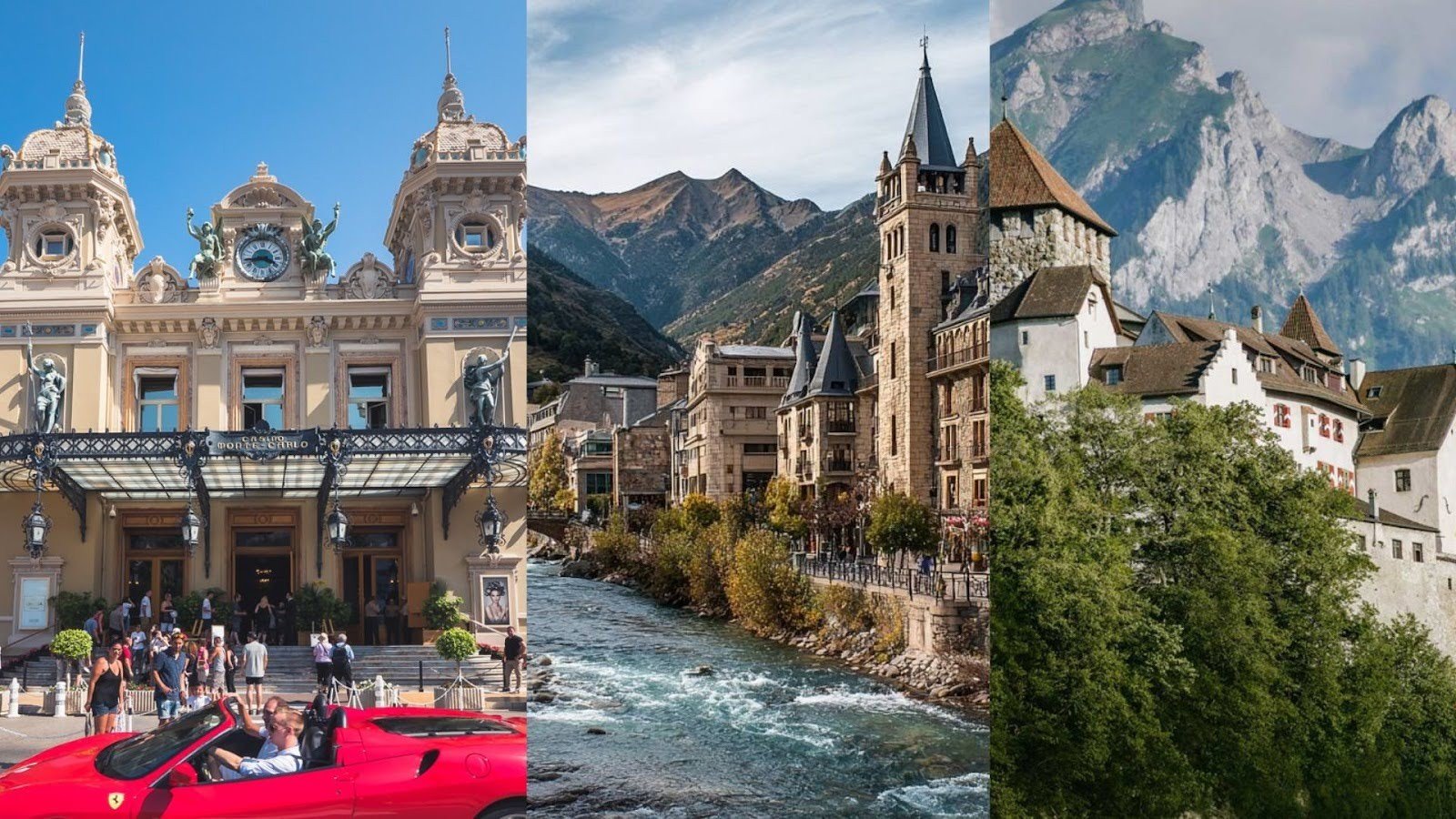
- Monaco: Concentrates wealth along the French Riviera. The Grand Prix brings Formula 1 racing through streets. Casinos and yachts define the tiny principality.
- Andorra: Sits in the Pyrenees between France and Spain. Ski resorts attract winter visitors. Shopping for duty-free goods draws others.
- Liechtenstein: Is one of the world’s smallest countries. Vaduz has a castle and alpine villages nearby. You can visit the entire country in a day.
- San Marino: Perches on a mountain in Italy. The historic citadel offers views across the countryside. It claims to be the world’s oldest republic.
- Vatican City: Holds St. Peter’s Basilica and the Sistine Chapel. This religious center is the world’s smallest independent state. Museums contain incredible art collections.
Travel Tips & Hacks for a Smooth European Vacation
Small planning decisions make big differences in trip quality and cost.
- Book flights three to four months ahead. Pack one carry-on to avoid airline fees. Train tickets cost less when booked early. Use public transport within cities.
- Most of Europe uses Euros. Use ATMs for better rates. Carry 50-100 Euros cash. Eating lunch instead of dinner saves money.
- Bring layers and a rain jacket. Pack comfortable walking shoes. You’ll need Type C plug adapters. Download offline maps.
- Bring passport copies and keep them separate. Email yourself copies too. Carry a phone charger and portable battery.
- Free walking tours run in most cities. Museum passes save money. Many museums offer free entry one day per month.
Conclusion
Europe offers 41 countries with distinct cultures, foods, and landscapes. I’ve found that the best trips come from matching destinations to your interests rather than trying to see everything.
Start with two or three countries that excite you most. My favorite moments came from wandering small streets, trying local food, and talking with residents.
Don’t stress about perfect planning. Some of the best experiences happen unexpectedly.
Which country will you visit first? Share your thoughts in the comments below.
Frequently Asked Questions
What is the best time to visit European countries?
Late spring (May to June) and early fall (September to October) offer the best balance. Weather stays pleasant, crowds are smaller, and prices drop compared to peak summer months.
How many European countries can I visit in two weeks?
Realistically, three to four countries work well for a two-week trip. This gives you three to four days per country to see main attractions without rushing constantly between destinations.
Do I need a visa to visit European countries?
Most visitors get 90 days visa-free in the Schengen Area, which includes most European countries. Check requirements for your specific passport nationality before booking, as rules vary.
What is the cheapest way to travel between European countries?
Budget airlines and buses offer the lowest prices for longer distances. Trains cost more but provide better comfort and city-center connections. Book all transportation early for best rates.
Which European countries are best for first-time visitors?
France, Italy, and Spain work best for beginners. They have well-developed tourism infrastructure, major attractions, varied experiences, and enough English speakers to help when you need assistance.
